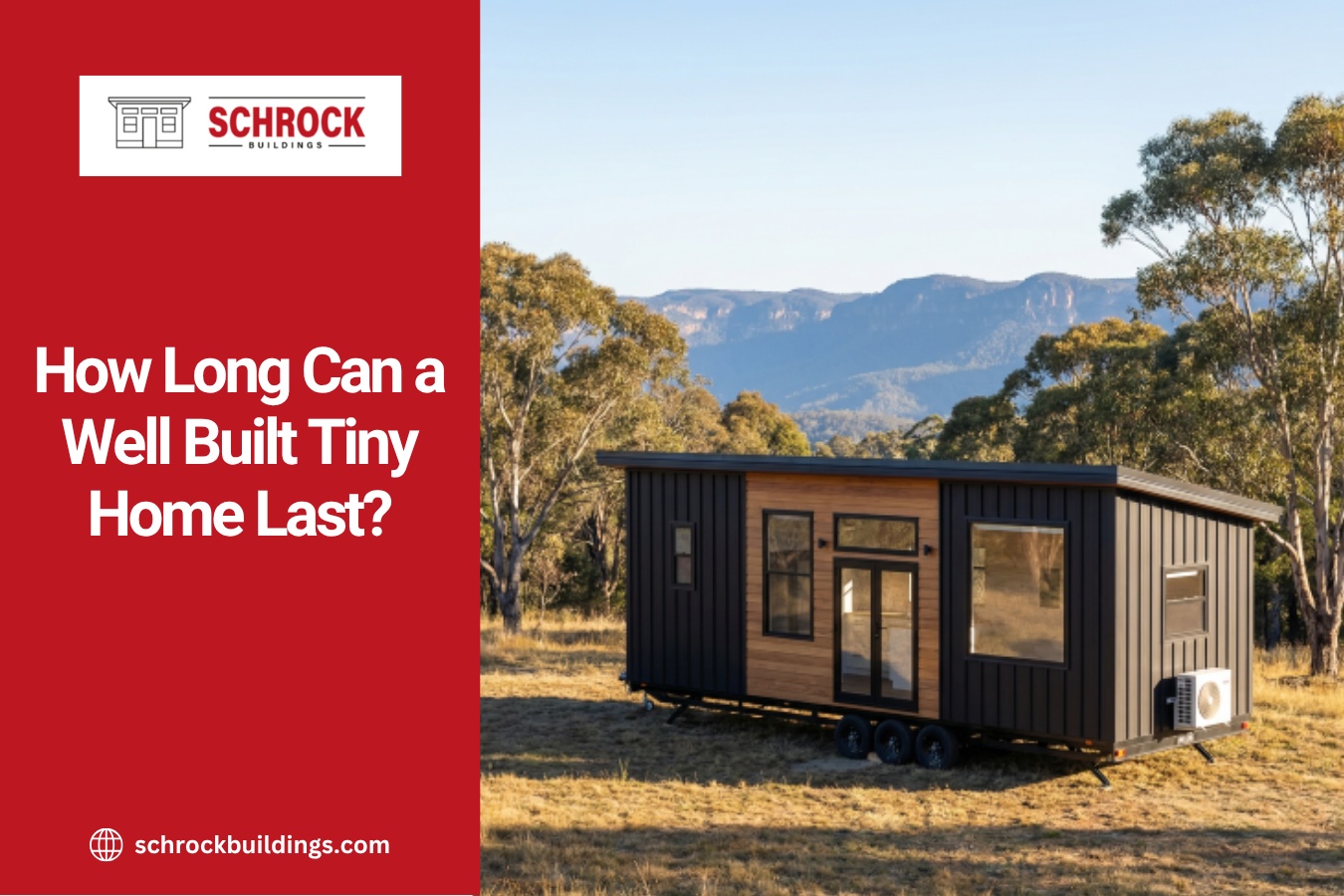
When you picture your tiny home, you probably think about quiet mornings, a comfortable living space, and fewer things to manage. But before you choose a design, there is another question worth asking: How long can a well built tiny home last?
A tiny home built with suitable materials, installed correctly, and cared for consistently can serve you for decades. Its actual lifespan depends on the construction, local weather, site conditions, and maintenance. There is no single expiration date that applies to every tiny home.
The good news is that many of the things that protect your home are simple to plan for. Choosing the right builder and keeping up with routine care can help you enjoy your space for years to come.
What Determines a Tiny Home’s Lifespan?
A smaller home still needs the essentials of good construction. A sound structure, reliable weather protection, and proper support all matter.
Think of longevity as a combination of how the home is built and how it is treated after delivery. Quality materials provide a strong starting point. Good drainage, moisture control, and timely repairs help protect that investment.
Construction Quality
The framing gives your home its shape and supports the building. The roof, siding, windows, and doors work together to protect that structure from the weather.
Look beyond the finishes when comparing tiny homes. A beautiful kitchen is exciting, but the details behind the walls deserve attention too.
Ask your builder about:
- Wall framing and insulation
- Roofing and exterior materials
- Protection around windows and doors
- Floor construction and support requirements
- Construction suited to your intended location
A builder who can explain these details helps you make a more informed choice.
Your Location and Climate
A tiny home in a snowy climate faces different conditions from one in a warm, humid area. Rain, snow, sunlight, and seasonal temperature changes all influence maintenance needs.
Your builder should know where you plan to place the home and how you intend to use it. That conversation helps you choose appropriate features before construction begins.
Regular Care
Even a well built tiny home needs attention over time. Checking the exterior, managing indoor moisture, and repairing small problems early can help prevent larger repairs.
You do not need to spend every weekend working on your home. A manageable routine is usually more useful than waiting until something goes wrong.
Why Moisture Control Matters So Much
If there is one thing to keep an eye on throughout your tiny home’s life, it is moisture.
Water can come from a roof leak, a plumbing connection, poor drainage, or condensation indoors. When it remains unnoticed, it can damage finishes and building materials.
Keep Water Moving Away From the Home
Start with the site. Water should drain away from the building rather than collect beneath it or around its supports.
Keep plants and stored items from trapping moisture against the exterior. If gutters are installed, keep them clear and make sure their outlets direct water to an appropriate place.
After heavy rain, take a quick look around the home. Standing water is easier to address before it becomes a repeated problem.
Manage Moisture Inside
Cooking, showers, and everyday living all add moisture to the air. In a compact space, it helps to have a clear ventilation plan.
Use bathroom and kitchen ventilation as intended. Watch for persistent condensation on windows, musty smells, or damp areas.
If you notice these signs, investigate the cause. Wiping away condensation may help temporarily, but correcting the moisture issue protects the home over time.
Proper Site Preparation Protects Your Investment
Where your tiny home sits matters almost as much as how it is built.
The support system must suit the building, soil conditions, and local requirements. Poor support or uneven settling can affect floors, doors, and windows.
Before delivery, discuss:
- Required site preparation
- Suitable foundation or support options
- Drainage around the home
- Access for delivery and placement
- Utility connections for your intended use
Get the placement requirements for your specific building rather than assuming any level patch of ground will work.
Planning these details early can also make delivery and setup easier.
Will Every Part of a Tiny Home Last Equally Long?
No. The structure and the equipment inside it have different maintenance and replacement needs.
An appliance may need replacing while the home itself remains in good condition. Exterior finishes, sealants, heating equipment, and plumbing fixtures may also need attention at different times.
That does not mean the whole home is wearing out. It means individual parts need care as they age.
When planning your purchase, leave room in your budget for future maintenance. Ask about warranties and care instructions for the building and its components so you know what to expect.
How Schrock Buildings Supports Lasting Comfort
At Schrock Buildings, we build custom tiny homes in Milltown, Wisconsin, with an emphasis on craftsmanship, quality materials, and personal service.
Our website highlights 2 × 6 wall framing, steel siding with cedar accents, and insulation options for comfortable living. We also offer an optional ERV system for ventilation and designs intended for northern climates.
Choose from styles such as the Northern Light and Driftwood, then talk with us about personalizing your home for your needs.
These features provide useful starting points for a conversation about durability. Ask our team which specifications suit your location and how to care for the materials in your selected design.
A Simple Maintenance Routine for Your Tiny Home
A little attention at the right time can go a long way. Follow your builder’s care instructions and the guidance supplied with your equipment.
Check the Exterior Each Season
Walk around your home and look for:
- Loose or damaged siding
- Gaps or worn sealants around openings
- Signs of roof damage visible from the ground
- Debris blocking drainage
- Water collecting near the building
- Changes in how doors and windows open
For roof work or hard to reach areas, use a qualified professional.
Inspect After Severe Weather
Strong storms can cause damage that is easy to miss from indoors. Once it is safe, check for fallen branches, loose exterior materials, and signs of water entering the home.
Catching a small leak early can limit the repair.
Care for Plumbing and Heating Equipment
Check accessible plumbing connections for drips. Follow the maintenance schedule for your heating and cooling system, including filter care.
If you leave the home unused during freezing weather, ask about proper winter preparation. Protecting the plumbing is especially important when the home will sit empty.
Keep Track of Repairs
Save care instructions, warranty documents, and service records in one place. A simple record of inspections and repairs makes it easier to remember what needs attention next.
Questions to Ask Before Buying a Tiny Home
You do not need to know every construction term to make a good decision. Start with questions that connect the building to your plans.
- Is this design suitable for my location and intended use?
- What materials are included in the quoted price?
- What site preparation will I need before delivery?
- How should I manage ventilation and indoor moisture?
- What maintenance does the exterior need?
- What warranties apply, and what do they cover?
Clear answers help you compare options and understand the responsibilities that come with ownership.
Start Planning a Tiny Home You Can Enjoy for Years
How long can a well built tiny home last? The most useful answer starts with quality construction, proper placement, and consistent care. Together, those choices can support decades of use, although no builder can predict an exact lifespan for every home.
At Schrock Buildings, we want to help you choose a space that fits both your everyday life and your long term plans.
Get Started With a Quote
Tell us which style you like, where you plan to place it, and how you want to use it. We can discuss your options and help you take the next step.
Get Started With Your Tiny Home Quote
Contact Us With Your Questions
Have questions about materials, design options, delivery, or preparing your site? Talk with our team so you can move forward with a clearer plan.