
Tiny homes have become a popular choice for people who want a simpler lifestyle, lower costs, and more flexibility. Whether you are downsizing, building a guest space, or creating a backyard retreat, tiny homes offer a practical and attractive solution.
One of the most common questions people ask before starting is this. Do tiny homes need a foundation?
The answer depends on how you plan to use your tiny home, where it will be located, and how permanent you want it to be. In this guide, we will walk you through everything you need to know in a simple and clear way so you can make the best decision for your property.
What Does a Foundation Mean for a Tiny Home
A foundation is the base that supports a structure and keeps it stable. In traditional homes, this usually means a permanent base like concrete or a crawl space. For tiny homes, the idea is a bit more flexible.
Tiny homes can be built in two main ways:
- On a permanent foundation
- On a trailer or movable base
Both options are valid, and each has its own advantages depending on your goals.
Do Tiny Homes Always Need a Foundation
No, tiny homes do not always need a traditional foundation.
However, they do need a stable and properly prepared base to ensure safety, durability, and comfort.
Here are the two main scenarios:
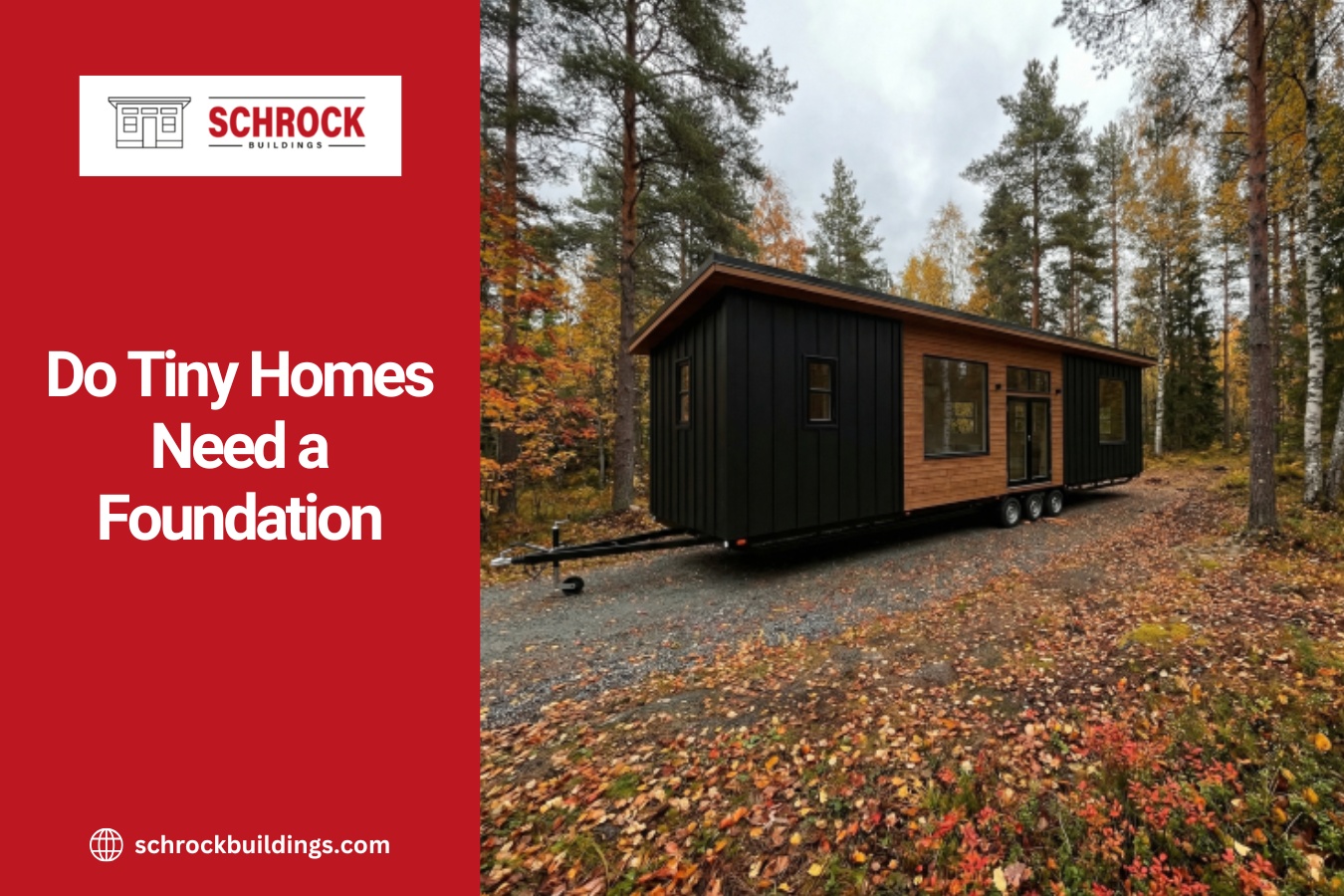
1. Tiny Homes on Wheels
These are built on trailers and are designed to be movable.
- No permanent foundation required
- Can be relocated when needed
- Often treated more like RVs in some areas
This option is great if you want flexibility or if local rules make permanent structures more complex.
2. Tiny Homes on Permanent Foundations
These are built like traditional homes, just smaller.
- Require a proper foundation
- Offer more stability and long term durability
- Often easier to connect to utilities
This option is ideal if you plan to use your tiny home as a long term residence or want a more traditional setup.
Why a Foundation Matters
Even though not all tiny homes require a permanent foundation, having the right base is very important.
A proper foundation or base helps with:
Stability
It keeps the structure level and secure, preventing shifting or settling over time.
Moisture Protection
A good foundation keeps water away from the structure, reducing the risk of damage and mold.
Insulation
It helps regulate temperature, keeping your space more comfortable throughout the year.
Longevity
A solid base can extend the life of your tiny home and reduce maintenance costs.
Types of Foundations for Tiny Homes
If you decide to go with a permanent setup, there are several foundation options available.
Concrete Slab
A concrete slab is a flat surface poured directly on the ground.
Benefits:
- Strong and durable
- Low maintenance
- Great for long term use
This is one of the most popular choices for tiny homes that will stay in one place.
Crawl Space Foundation
This raises the home slightly above the ground.
Benefits:
- Easier access to plumbing and electrical
- Better airflow under the structure
- Helps prevent moisture issues
This option is useful if you want easy access for future maintenance.
Pier Foundation
This uses concrete or steel piers to support the structure.
Benefits:
- Cost effective
- Works well on uneven ground
- Minimal site preparation
Pier foundations are a great choice for certain landscapes or budget friendly builds.
Gravel Pad or Compact Base
For some setups, especially smaller or semi portable structures, a compact gravel base may be used.
Benefits:
- Quick installation
- Lower cost
- Good drainage
This is often used for sheds and smaller backyard buildings.
Tiny Homes on Wheels vs Foundation Based Tiny Homes
Choosing between these two options depends on your lifestyle and long term plans.
Tiny Homes on Wheels
Best for:
- People who want mobility
- Temporary setups
- Flexible living arrangements
Considerations:
- Limited size due to transport restrictions
- May have different zoning rules
- Requires proper trailer support
Foundation Based Tiny Homes
Best for:
- Permanent living
- Backyard guest houses
- Home offices or rental units
Considerations:
- Requires site preparation
- Needs proper permits in many areas
- Higher upfront investment but more stability
Local Rules and Permits
Before deciding, it is important to check local regulations.
Some areas require tiny homes to be placed on permanent foundations, especially if they are used as full time residences. Others allow tiny homes on wheels but may have restrictions on where they can be parked.
Understanding these rules early can help you avoid delays and make the right decision from the start.
How Schrock Buildings Helps You Choose the Right Setup
At Schrock Buildings, we understand that every customer has different needs. That is why we focus on helping you find the right solution based on your goals, property, and budget.
When you work with us, you get:
- Expert guidance on structure and placement
- High quality craftsmanship built for durability
- Flexible options for different uses and lifestyles
- Customizable designs that fit your vision
Whether you are looking for a backyard retreat, a guest space, or a functional living area, we are here to help you make it happen.
Factors to Consider Before Choosing a Foundation
Here are a few simple questions to guide your decision:
How will you use your tiny home
Is it for full time living, occasional use, or as an extra space on your property?
Do you need mobility
If you plan to move it in the future, a trailer based setup may be better.
What is your budget
Permanent foundations can cost more upfront but may save money long term.
What is your property like
Flat land, soil condition, and drainage all play a role in the best foundation choice.
Common Mistakes to Avoid
Choosing the wrong foundation or base can lead to issues later on.
Here are a few things to avoid:
- Skipping site preparation
- Ignoring drainage and moisture control
- Choosing a base that does not match your usage
- Not checking local regulations
Taking the time to plan properly will save you time, money, and stress.
Tiny Homes as Backyard Solutions
Many homeowners are now using tiny homes as backyard additions.
These can serve as:
- Guest houses
- Home offices
- Rental spaces
- Hobby rooms
For these uses, a permanent foundation often makes the most sense because it provides stability and long term value.
Schrock Buildings offers solutions that are perfect for these types of setups, with designs that blend well with your property and meet your needs.
Why Quality Construction Matters
No matter which foundation you choose, the quality of the structure itself is just as important.
A well built tiny home will:
- Last longer
- Require less maintenance
- Provide better comfort
- Hold its value over time
At Schrock Buildings, we focus on strong materials, careful construction, and attention to detail so you can feel confident in your investment.
Final Thoughts
So, do tiny homes need a foundation?
Not always, but they do need a stable and well prepared base. The right choice depends on how you plan to use your tiny home and how permanent you want it to be.
If you want flexibility, a tiny home on wheels can be a great option. If you are looking for a long term solution, a permanent foundation provides more stability and durability.
The most important thing is choosing a setup that fits your needs and is built to last.
Ready to Build Your Tiny Home
If you are thinking about adding a tiny home to your property, now is a great time to get started.
At Schrock Buildings, we are here to guide you through every step, from choosing the right structure to making sure it fits your space perfectly.
Get started today by requesting a quote and exploring your options.
Contact us now to learn more and take the first step toward your new tiny home.